
Rosswog, Carolina - CAP 46
Deciphering Neuroblastoma Evolution: Mapping Molecular Trajectories from Disease Initiation to Progression and Translating Insights into Clinical Practice
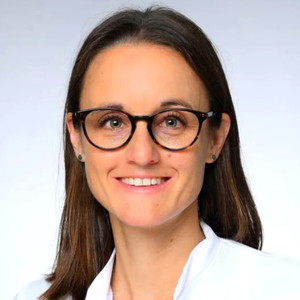
PD Dr. Carolina Rosswog
Dept. of Pediatric Oncology and Hematology
CMMC - PI - CAP 46
show more…
Dept. of Pediatric Oncology and Hematology
Robert-Koch-Str. 21
50931 Cologne
Introduction
Our research focuses on the molecular evolution of neuroblastoma, a childhood cancer of the sympathetic nervous system characterized by remarkable clinical and biological heterogeneity. While some tumors regress spontaneously or respond well to therapy, others show aggressive progression, treatment resistance, and relapse. We investigate how neuroblastoma evolves over time, from tumor initiation to progression and recurrence, by studying the molecular alterations that drive tumor development, and shape clonal evolution and tumor heterogeneity.
Aims
Our research program addresses complementary areas:
1. Understanding clonal evolution from tumor initiation to progression and relapse.
We investigate the molecular mechanisms that govern neuroblastoma development throughout the entire disease course. By combining studies on early tumorigenesis with longitudinal analyses of primary tumors, relapses, and treatment response, we aim to decipher the evolutionary trajectories that drive tumor initiation, progression, therapy resistance, and relapse.
2. Improving molecular risk stratification and precision medicine.
We develop and validate molecular biomarkers that enable more accurate prediction of clinical outcome and support individualized treatment decisions. We evaluate telomere maintenance mechanisms for risk stratification and work towards their implementation in clinical routine. By translating molecular discoveries into clinically applicable tools, we aim to improve patient stratification, optimize treatment allocation, and facilitate the development of more personalized therapeutic strategies.
Clinical relevance
Neuroblastoma accounts for approximately 6% of all childhood cancers but causes around 15% of pediatric cancer-related deaths, highlighting the urgent need for improved diagnostic and therapeutic strategies. Despite substantial advances in treatment, the biological mechanisms underlying tumor initiation, progression, and therapy resistance remain incompletely understood, and effective targeted treatment options are still limited.
Our research addresses these challenges through a translational approach that combines fundamental biological research with strategies for clinical implementation.
Lab Website
For more information, please check the website of the Experimental Pediatric Oncology.
Affiliations - Carolina Rosswog
- Department of Experimental Pediatric Oncology, University Children’s Hospital of Cologne, Medical Faculty, Cologne, Germany.
- Department of Pediatric Oncology and Hematology, University Children's Hospital of Cologne, Medical Faculty, Cologne, Germany.
- Center for Molecular Medicine Cologne (CMMC), University of Cologne, Cologne, Germany.
Publications generated with CMMC affiliations
2026
Publications with CMMC affiliations will be listed as soon as available