
Who is ... Hormos Clas Dafsari?
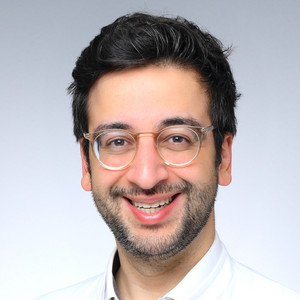
“We investigate how impaired autophagy drives neuronal vulnerability across the lifespan in development, homeostasis and degeneration. Monogenic disorders provide human models to dissect these processes and evaluate how targeted molecular modulation can restore cellular resilience mechanisms.”
PD Dr. Hormos C. Dafsari is a pediatric neurologist and clinician scientist at University Hospital Cologne. He leads the CMMC Career Advancement Group CAP 42, “Cellular Resilience Mechanisms and Molecular Modulation.” His research integrates clinical neurogenetics with experimental cell biology to investigate mechanisms of neuronal resilience and their therapeutic modulation.
Research and clinical work
Dafsari and his lab investigate the molecular mechanisms linking impaired autophagy and intracellular trafficking to neurodevelopmental dysfunction and neurodegeneration. EPG5 deficiency serves as a paradigmatic human model to examine how gene dosage and intracellular trafficking determine tissue vulnerability across the lifespan. The programme focuses on autophagosome–lysosome fusion, mitochondrial quality control and cGAS–STING signalling, including the contribution of neuron–glia communication to disease progression.
His group integrates longitudinal phenotyping of large-scale international patient cohorts for rare diseases with patient-derived fibroblasts, induced pluripotent stem cell-derived neurons, brain organoids and the model organism C. elegans. These systems are used to distinguish developmental abnormalities from impaired homeostasis and progressive degeneration and to define the temporal sequence of age-dependent cellular dysfunction. His research programme focusses on the development of targeted therapies such as antisense oligonucleotides or small molecular compounds for the modulation of autophagolysosomal diseases (EPG5, WDR45), conditions associated with intracellular trafficking (DYNC1H1) and spliceosomopathies (PUF60), integrating molecular diagnosis with functional characterisation and therapeutic development.
In his clinical work as pediatric neurology consultant, he is heading the programmes for neuroimmunology, neuromuscular diseases, neurogenetics and metabolic medicine. He leads the Center for Rare Syndromal Diseases and the focus area neurological and ophthalmological diseases at the Center for Gene and Cell Therapy.
Career and recognition
Dafsari completed his habilitation at the University of Cologne in 2024 and has served as consultant pediatric neurologist since 2026. He has held appointments at King’s College London, Evelina London Children’s Hospital London and Great Ormond Street Hospital London and is a guest researcher at the Max Planck Institute for Biology of Ageing. His research is funded by DFG, BMG and patient foundations. Distinctions include the Research Prize from the German Society for Pediatric Neurology (GNP 2025) and the second Felix Jerusalem Prize from the German Society for Muscle Diseases (DGM 2026).
Outlook at the CMMC
Within CMMC Research Area C, the group will define therapeutic windows for restoring autophagic flux and preserving neuronal function. Splice-switching antisense oligonucleotides and small molecule modulators will be evaluated in human neuronal and organoid models. The programme interfaces with Research Area B through mitochondrial stress and innate immune signalling and provides experimental systems for collaborative target validation, biomarker studies and preclinical therapeutic development.
Link to PubMed
Link to CMMC Project Page
Link to Lab Website or here