
Who is ... Felix Köhler
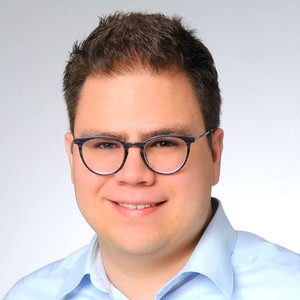
“As a clinician-scientist, I am fascinated by the innovation that takes place at the bedside, where clinical questions are brought into the laboratory, and the clinical potential of fundamental findings is translated into patient care.”
Dr. Felix Köhler is a physician and clinician-scientist at the Department II of Internal Medicine at University Hospital Cologne and a researcher at the Cologne Excellence Cluster on Cellular Stress Responses in Aging-Associated Diseases (CECAD). His research lies at the intersection of nephrology, metabolism, and translational medicine, and seeks to understand the molecular mechanisms that protect the kidney from cellular stress and injury - with the ultimate goal of translating these insights into new therapeutic concepts to enter clinical care.
Research Focus
A central theme of Köhler’s research is renal resilience: why are some cells and organs better able to withstand stress and injury than others, and can these protective mechanisms be harnessed therapeutically?
His work focuses particularly on the remarkable potential of dietary interventions to protect the kidney from injury. Experimental studies have shown that interventions such as caloric restriction, fasting mimicking diets, and restriction of sulfur-containing amino acids can increase cellular stress resistance and preserve kidney function. Köhler investigates the molecular mechanisms underlying these effects and how they can be translated from experimental models into clinically applicable therapeutic concepts.
A key finding of this research has been the identification of sulfur metabolism as an important mediator of diet-induced kidney protection. Building on these insights, Köhler and colleagues identified and developed MBK2910, a novel pharmacotherapy for kidney diseases. MBK2910 renders cells resistant to reactive oxygen species and limits ferroptotic cell death – a form of regulated cell death.
Read more ...
Selected Publications & Scientific Contributions
Köhler’s research has contributed substantially to understanding the molecular basis of diet-induced kidney protection. In a first-author study published in Translational Research in 2022, he and colleagues systematically compared different dietary interventions and identified overlapping changes in cysteine catabolism as a common molecular signature of nephroprotection.
His work is characterized by a strong translational approach. Together with colleagues in Cologne, Köhler has contributed to randomized controlled clinical studies investigating whether protective mechanisms identified in experimental models can be reproduced in humans. These studies have explored dietary interventions in clinical settings associated with a high risk of acute kidney injury, helping to bridge mechanistic research and patient-oriented nephrology.
More recently, Köhler and colleagues reviewed the emerging evidence for dietary interventions in acute kidney injury in Experimental Physiology. Their work highlights how deciphering conserved mechanisms of renal resilience in experimental models and humans may reveal druggable molecular targets and provide a path toward novel pharmacological approaches.
This translational trajectory - from understanding the molecular mechanisms of diet-induced organ protection to identifying a potential pharmacological mediator - forms the foundation of Köhler’s current research on MBK2910.
Scientific Career & Recognition
Köhler studied medicine at the University of Cologne and conducted his doctoral research at the Institute for Translational Research at CECAD. He subsequently combined his clinical training in internal medicine and nephrology with experimental and translational research at University Hospital Cologne.
As a fellow of the Cologne Clinician Scientist Program, Köhler has pursued a research program that closely connects laboratory discoveries with clinical questions in nephrology. His international research experience includes a visiting research position at Leiden University Medical Center in the Netherlands, where he works in the fields of nephrology and vascular and regenerative medicine.
His scientific work on kidney protection and acute kidney injury has received recognition from the nephrology and internal medicine communities. Köhler is a member of the NephroFuture Class of the German Society of Nephrology (DGfN) and has received a Young Investigator Award from the German Society of Internal Medicine (DGIM) for his research on diet-induced kidney protection. He is also actively engaged in promoting early-career clinician-scientists and serves on the Executive Board of the Junior Faculty Club at the University of Cologne.
Current Research at the CMMC
Köhler is already actively involved in the CMMC as Co-Principal Investigator of research project C 12 – “MBK2910 to Treat Acute Kidney Injury: From Molecular Mechanism to Clinical Application,” together with Prof. Günter Schwarz. The project seeks to advance MBK2910 toward clinical translation by investigating its efficacy, safety, and tolerability in different models of acute kidney injury and by establishing the prerequisites for future clinical development.
In 2026, Köhler further expanded his research within the CMMC as a Career Advancement Program (CAP) Group Leader. His CAP 44 research program, “MBK2910: A Novel Drug for Chronic Kidney Disease,” extends this therapeutic concept from acute to chronic kidney disease.
His group investigates the therapeutic window, organ distribution, efficacy, safety, and tolerability of MBK2910 in preclinical models of chronic kidney disease. By translating the protective mechanisms initially discovered through dietary interventions into a pharmacological strategy, Köhler aims to develop a novel pharmacotherapy for kidney diseases.